
RTE.01 — JAVA
The Cultural Heartbeat
Jakarta → Yogyakarta by train, 8 hrs · IDR 150,000
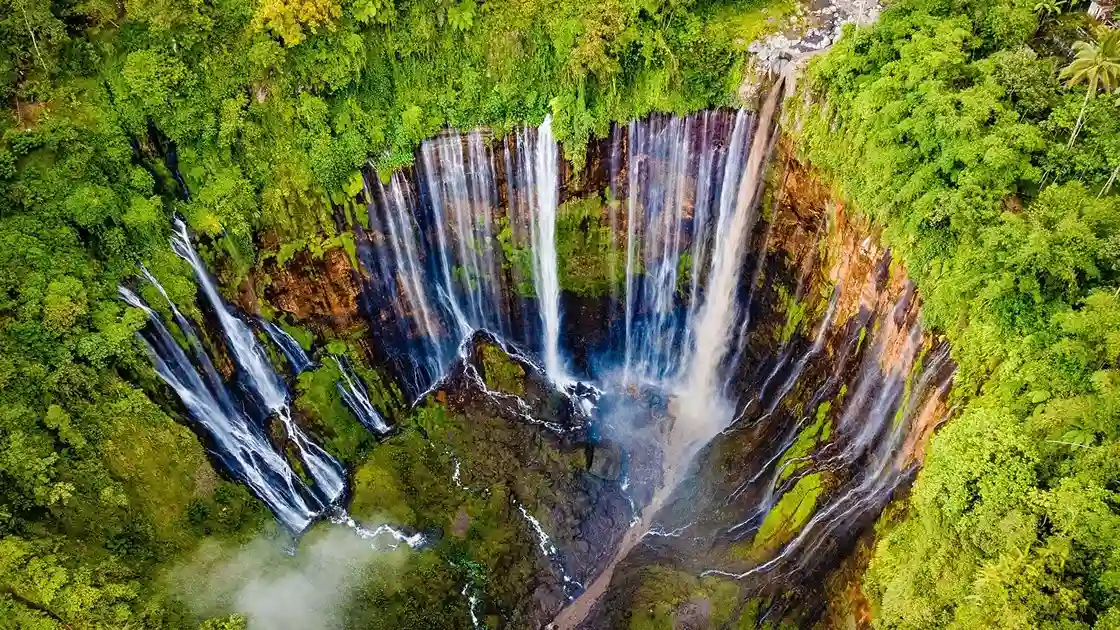
Borobudur, Prambanan and Mount Bromo's 2,329m sunrise, end to end by rail.
Wander Indonesia
Beyond Bali
Java — Flores — Sulawesi — Sumatra — Raja Ampat
Updated Aug 2026
ScrollQuick Answer
Five islands, one concierge-curated route beyond Bali.
Quick Answer
WanderIndo — Wander Indonesia — itineraries beyond Bali. Concierge-curated, white-glove service, transparent pricing, end-to-end booking support.
RTE.01 — JAVA
The Cultural Heartbeat
Jakarta → Yogyakarta by train, 8 hrs · IDR 150,000
RTE.02 — FLORES
A Journey Through Time
Bali → Labuan Bajo by air, IDR 800,000–1,500,000
RTE.03 — SULAWESI
The Land of Diversity
Makassar → Toraja by bus, 10 hrs · IDR 300,000
RTE.04 — SUMATRA
Nature and Adventure Await
Jakarta → Medan by air, IDR 1,000,000–2,000,000
RTE.05 — RAJA AMPAT
The Underwater Wonderland
Jakarta → Sorong by air, IDR 1,500,000–3,000,000
Editorial Lead
Petra Halvorsen
Last reviewed August 2026
Wander Indonesia offers independent travelers a comprehensive guide to exploring Indonesia's vast archipelago beyond Bali. Plan multi-island itineraries across Java, Flores, Sulawesi, Sumatra, and Raja Ampat with expert insights on transport, budget tiers, and travel seasons.
The scent of clove and cinnamon wafts through the air as you traverse the bustling markets of Java. In the distance, the volcanoes rise, their peaks shrouded in mist. Each island in Indonesia tells a story, revealing a vibrant culture and diverse landscapes waiting to be explored. With Wander Indonesia, your journey through this archipelago becomes a carefully crafted adventure.
Quick Fact Jakarta → Yogyakarta by train, 8 hrs · IDR 150,000
Java, home to over half of Indonesia's population, pulsates with energy. The island is peppered with historical sites, from the ancient temples of Borobudur and Prambanan to the vibrant streets of Jakarta, the capital city. Java stretches approximately 1,000 kilometers from west to east and offers various transport options, including trains, buses, and domestic flights.
Trains are a comfortable way to navigate Java, with the Jakarta to Yogyakarta route taking around 8 hours and costing around IDR 150,000 ($10 USD). Yogyakarta serves as a cultural hub, where traditional batik workshops and shadow puppet performances bring the local heritage to life.
As you venture east, Mount Bromo stands at 2,329 meters and is famous for its sunrise views and the otherworldly "Sea of Sand." The national park surrounding Bromo is a UNESCO World Heritage site, attracting photographers and adventurers alike.
Quick Fact Bali → Labuan Bajo by air, IDR 800,000–1,500,000
Flores, stretching about 450 kilometers from west to east, offers a different rhythm. The island is known for its rugged landscapes, traditional villages, and the iconic Komodo National Park. Dive into the waters of Komodo to encounter the world's largest lizard, the Komodo dragon, roaming freely across the islands.
Travelers can reach Flores via flights from Bali to Labuan Bajo, with prices ranging from IDR 800,000 to 1,500,000 ($55-$100 USD). Once on the island, the local transport options include motorbikes and shared taxis, which are ideal for exploring the picturesque rice paddies and volcanic lakes, such as the three-colored lakes of Kelimutu.
The island is also home to the traditional villages of Bajawa, where visitors can experience the unique culture of the Ngada people. Their ancestral houses, known as "adat," reflect traditional beliefs and practices that date back centuries.
Quick Fact Makassar → Toraja by bus, 10 hrs · IDR 300,000
Sulawesi, with its distinctive shape resembling an orchid, is a melting pot of cultures and languages. The island is divided into four peninsulas, each offering unique experiences. From the highlands of Toraja, known for its elaborate funeral rites and traditional houses, to the stunning underwater ecosystems of Bunaken National Marine Park, Sulawesi is a must-visit for divers and cultural enthusiasts.
Reaching Toraja from Makassar, the capital of South Sulawesi, can be done via a 10-hour bus ride costing around IDR 300,000 ($20 USD). The fascinating burial sites, with their intricate carvings and cliffside tombs, draw visitors eager to learn about the Torajan way of life.
Bunaken National Park, known for its 20 dive sites, is ideal for underwater exploration, with over 390 species of coral and 2,000 species of fish. The best time to visit is from April to November, when visibility reaches up to 30 meters.
Quick Fact Jakarta → Medan by air, IDR 1,000,000–2,000,000
Sumatra is an adventure seeker's paradise, with dense rainforests, wildlife, and stunning lakes. The island stretches over 1,800 kilometers, making it the sixth largest island in the world. Bukit Lawang, a small village near the Gunung Leuser National Park, is famous for orangutan trekking experiences, allowing visitors to see these incredible primates in their natural habitat.
Flights from Jakarta to Medan, the gateway to northern Sumatra, typically cost between IDR 1,000,000 and 2,000,000 ($70-$140 USD). From Medan, travelers can continue to Bukit Lawang by local bus or car, with a journey time of around 3 hours.
Lake Toba, located in the northern part of the island, is the largest volcanic lake in the world, formed from a supervolcanic eruption over 74,000 years ago. The lake is approximately 100 kilometers long and 30 kilometers wide, making it a tranquil retreat for relaxation and exploration.
Quick Fact Jakarta → Sorong by air, IDR 1,500,000–3,000,000
Situated off the northwest tip of Bird's Head Peninsula in Papua, Raja Ampat is an archipelago comprising over 1,500 islands. This area is renowned for its marine biodiversity, with over 1,500 species of fish and 600 species of coral. It is often described as the center of the Coral Triangle, making it a premier destination for diving and snorkeling.
Getting to Raja Ampat typically involves a flight from Jakarta to Sorong, with prices ranging from IDR 1,500,000 to 3,000,000 ($100-$200 USD). From Sorong, local ferries and speedboats connect travelers to various islands within the archipelago.
For divers, the sites around Misool, Dampier Strait, and Batanta Island offer breathtaking underwater experiences, with visibility often exceeding 30 meters. The best time to visit is between October and April, when the weather is calm and the seas are clear.
Quick Fact Flights, Pelni ferries, trains, buses & motorbike rental
Navigating Indonesia's vast archipelago can be a challenge, but several transport options simplify the journey. Domestic flights connect major cities and tourist destinations, with airlines like Garuda Indonesia and Lion Air offering competitive prices.
For island hopping, ferries and Pelni ships provide reliable connections, with schedules varying by season. For example, the ferry from Bali to Lombok operates daily, while Pelni ferries connect remote islands, with some routes taking several days.
Buses and trains are available on the larger islands, like Java and Sumatra, with prices typically starting at IDR 100,000 ($7 USD) for long-distance travel. Renting a motorbike is also popular among independent travelers, allowing for flexibility in exploring off-the-beaten-path locations.
Quick Fact Dry season Apr–Oct · Visa-free entry up to 30 days
Understanding Indonesia's travel seasons is crucial for planning your itinerary. The dry season, from April to October, is generally the best time for outdoor activities and island hopping. However, the wet season, from November to March, can offer fewer crowds and lower prices, particularly in lesser-known regions.
Visa regulations also play a significant role in trip planning. Many nationalities can enter Indonesia visa-free for 30 days, with extensions available. For longer stays, a tourist visa can be obtained prior to arrival, allowing for stays of up to 60 days.
Travelers should always check for any updates on visa regulations through official sources or websites like Indonesia Travel.
The Catalogue
Java, Flores, Sulawesi, Sumatra and Raja Ampat — each mapped by our editorial team for transport, budget and season, so the plan holds before you land.
RTE.01 — JAVA
Jakarta → Yogyakarta by train, 8 hrs · IDR 150,000
Borobudur, Prambanan and Mount Bromo's 2,329m sunrise, end to end by rail.
RTE.02 — FLORES
Bali → Labuan Bajo by air, IDR 800,000–1,500,000
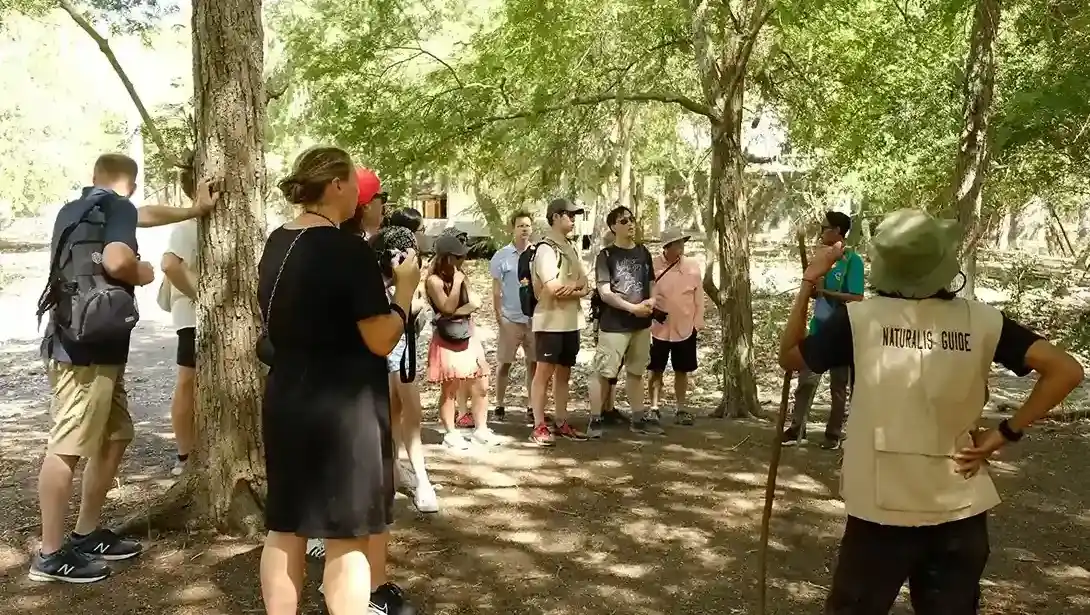
Komodo National Park, the three-coloured lakes of Kelimutu, and the Ngada villages of Bajawa.
RTE.03 — SULAWESI
Makassar → Toraja by bus, 10 hrs · IDR 300,000
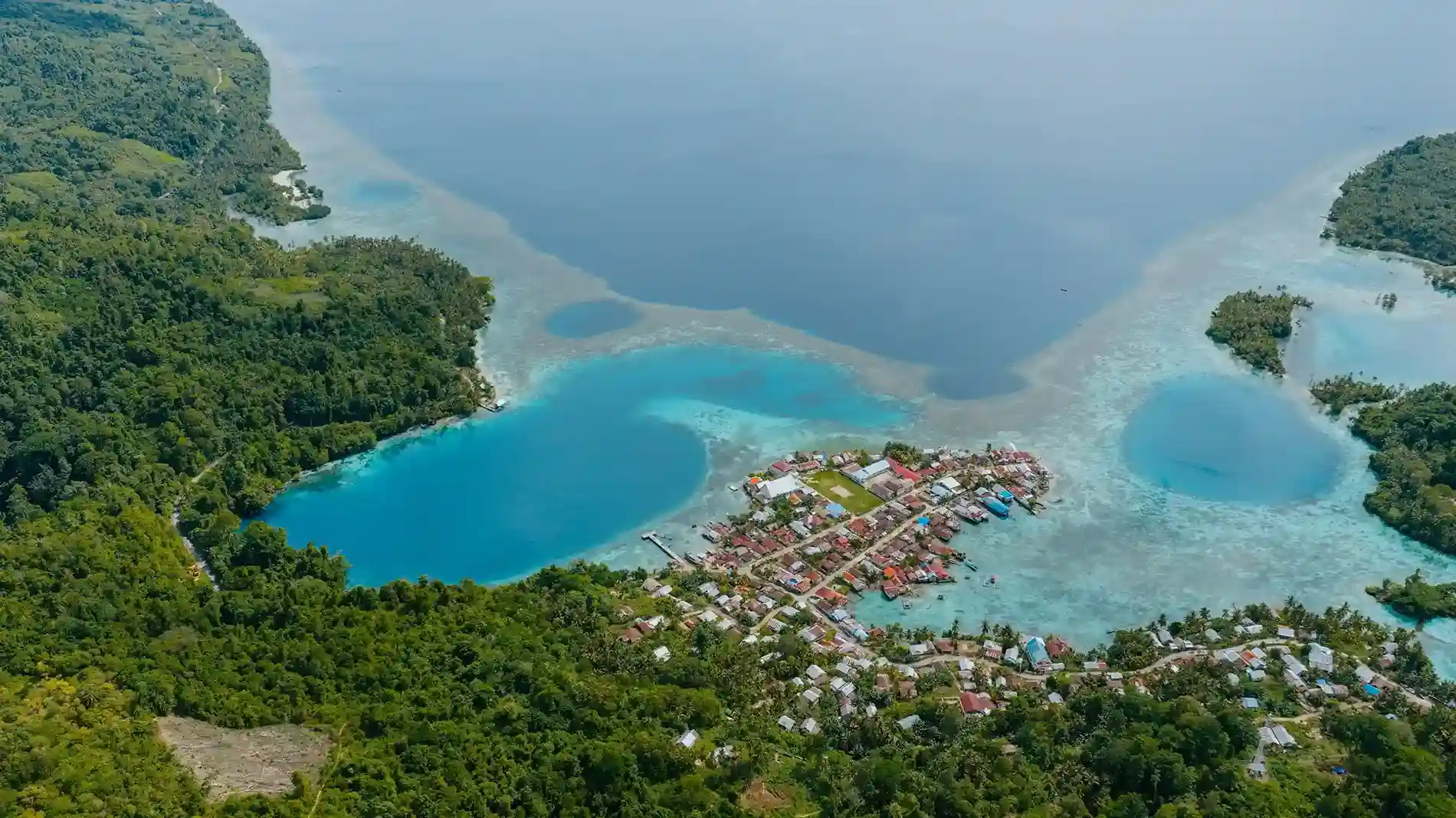
Toraja's cliffside tombs, then Bunaken's 20 dive sites and 390 coral species.
RTE.04 — SUMATRA
Jakarta → Medan by air, IDR 1,000,000–2,000,000

Orangutan trekking at Bukit Lawang, then Lake Toba — the world's largest volcanic lake.
RTE.05 — RAJA AMPAT
Jakarta → Sorong by air, IDR 1,500,000–3,000,000
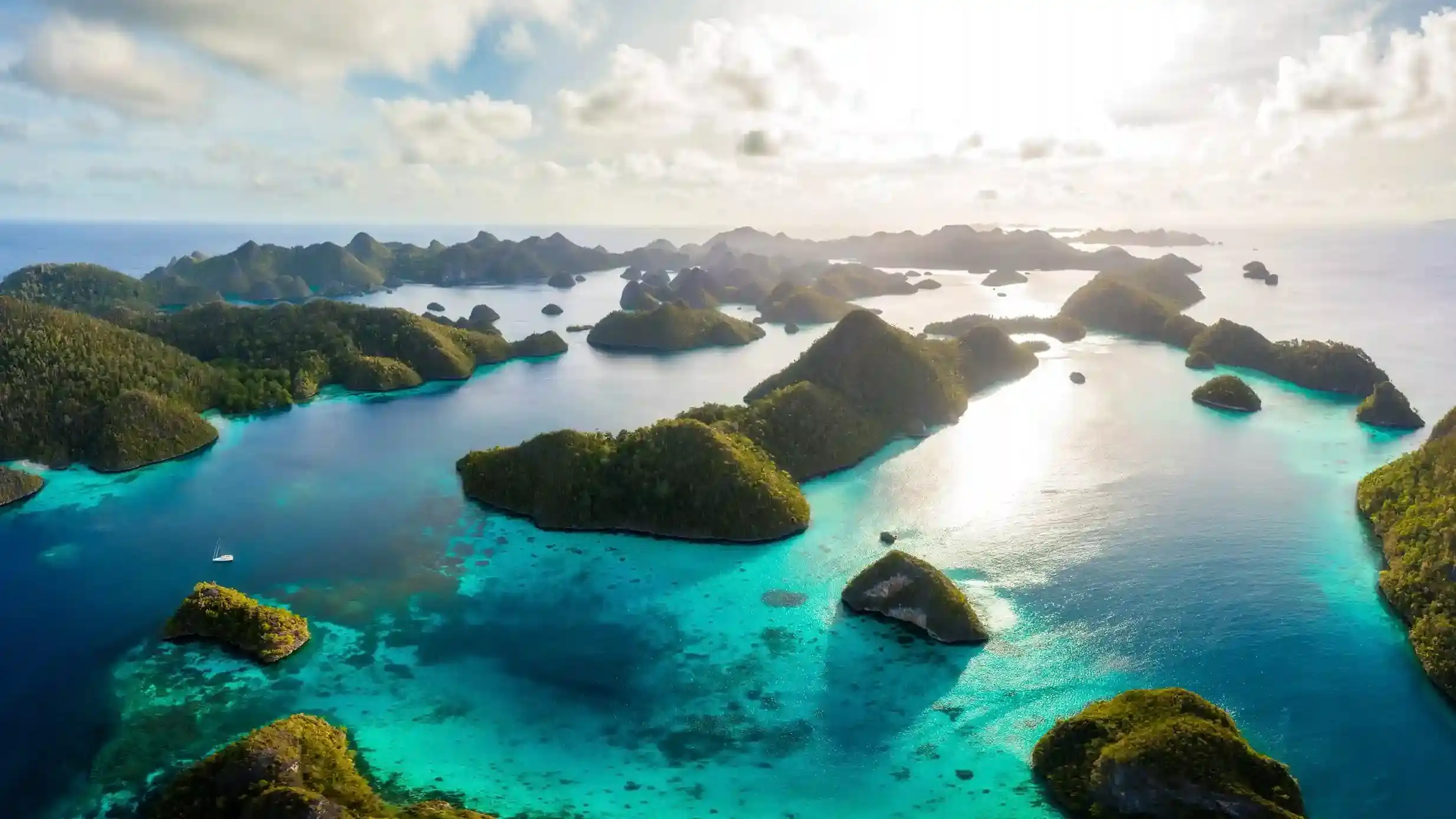
Over 1,500 islands at the centre of the Coral Triangle, visibility past 30 metres.
Drag a card, or press ← →
The Highlights
Sample Routes
Building an itinerary across Indonesia can be an exhilarating challenge. Here are two sample routes designed for independent travelers:
2-Week Itinerary — Java & Bali
| Days | Stop | Focus |
|---|---|---|
| Days 1–3 | Jakarta | National Museum, Bogor botanical gardens |
| Days 4–6 | Yogyakarta | Borobudur, Prambanan, a local cooking class |
| Days 7–9 | Bali | Ubud's rice terraces, temples like Tanah Lot |
| Days 10–14 | Lombok | Mount Rinjani trek, the beaches of Kuta |
4-Week Itinerary — Flores & Sulawesi
| Days | Stop | Focus |
|---|---|---|
| Days 1–5 | Labuan Bajo | Diving Komodo National Park and its islands |
| Days 6–10 | Ruteng & Bajawa | Local markets, traditional ceremonies |
| Days 11–15 | Makassar | The culinary scene, Fort Rotterdam |
| Days 16–20 | Tana Toraja | Learning the funeral traditions |
| Days 21–28 | Bunaken | Diving and snorkelling the marine park |
As you plan your journey through Indonesia, remember that each island offers its own flavor and rhythm. Whether you seek adventure, culture, or relaxation, the archipelago is ready to be explored.
Wander Indonesia invites you to craft your own route, connecting islands and experiences across this remarkable country. For more insights and detailed travel guides, visit our homepage at WanderIndo.
© 2026 WanderIndo. All rights reserved.