Complete Guide to Building Your Wander Indonesia Route
30 May 2026
Published
juara_admin
Author
7
Min Read
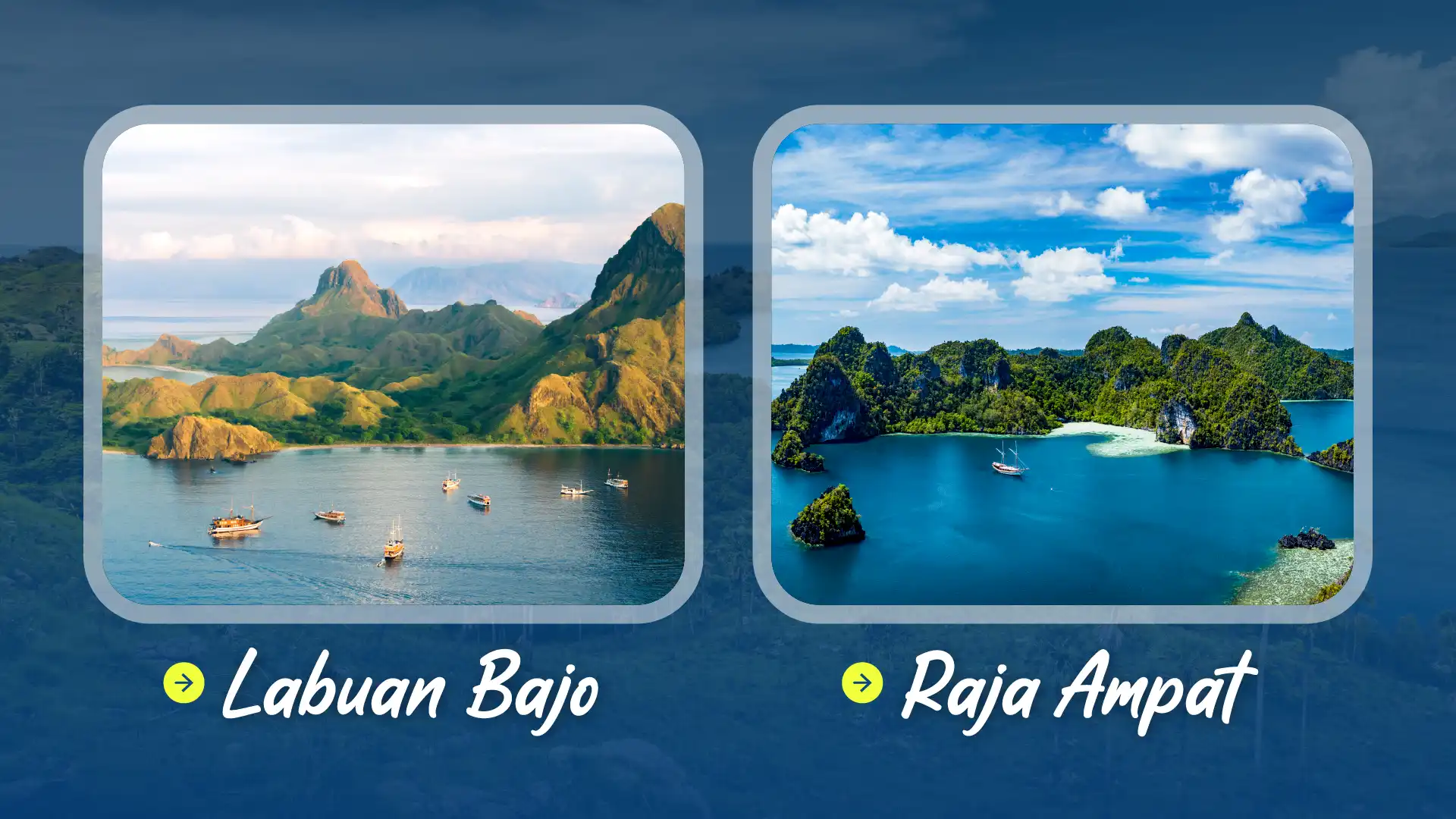
Building your route through Indonesia requires careful planning and insight. A comprehensive route guide for Wander Indonesia will help you navigate multi-island travel beyond Bali with ease. Key points include:
- Discovering unique destinations across Java, Flores, Sulawesi, Sumatra, and Raja Ampat.
- Understanding transport options like flights, ferries, and Pelni services.
- Crafting itineraries that fit your budget while considering visa requirements and seasonal variations.
The aroma of street food wafts through bustling markets as the sun rises over Jakarta. The vibrant colors of traditional textiles catch your eye in Yogyakarta, while the call of the ocean beckons from the shores of Raja Ampat. Welcome to Indonesia, a country composed of over 17,000 islands, each offering a unique experience. For those ready to venture beyond Bali’s well-trodden paths, this guide will help you construct a route that encapsulates the essence of this diverse archipelago.
Understanding the Islands of Indonesia
Indonesia’s allure isn’t limited to Bali; each island boasts its own culture, landscapes, and adventures. Java, the most populous island, is a hub of history and commerce, home to the iconic Borobudur Temple and bustling cities. In stark contrast, Sumatra offers lush rainforests and diverse wildlife, while Flores is famous for its pristine beaches and the Komodo National Park. Sulawesi is a treasure trove of rich cultural heritage and spectacular diving spots, while the remote Raja Ampat is a paradise for marine enthusiasts. Each destination provides a unique lens through which to experience Indonesia’s multifaceted identity.
Transport Connections: Navigating Indonesia
Transporting yourself across Indonesia can initially seem daunting due to its vastness. However, several reliable options exist. Domestic flights are the quickest way to travel between major islands, with airlines like Garuda Indonesia and Lion Air offering frequent services. Ferry connections provide a scenic alternative, especially between islands like Java, Bali, and Lombok. For longer distances, Pelni operates a network of ferries that connect major islands, making it possible to hop between destinations over a few days. Understanding these connections is crucial for seamless travel planning.
Budget Considerations: Navigating Costs
Traveling through Indonesia can cater to a variety of budgets. Street food can cost as little as IDR 20,000 (about $1.40), while mid-range dining might set you back IDR 100,000 (around $7). Accommodations vary widely; hostels start at IDR 150,000 ($10), while luxurious resorts in places like Raja Ampat can exceed IDR 1,500,000 ($100) per night. Transport costs also fluctuate; flights between islands may range from IDR 500,000 to IDR 1,500,000 ($35 to $100). For more detailed budgeting, refer to our WanderIndo Pricing & Cost Guide.
Visa Runs and Regulations
Travelers should be aware of Indonesia’s visa policies. A visa-free entry is available for citizens from several countries for stays up to 30 days, while others may require a visa on arrival or a tourist visa for longer stays. It’s advisable to check the latest regulations on the official Indonesia tourism website. For those planning to stay longer, a visa run to neighboring countries can extend your adventure. Additionally, ensure you keep aware of any changes in visa regulations, especially in light of evolving travel policies.
Travel Seasons: Timing Your Visit
Indonesia experiences two primary seasons: the wet season and the dry season. The dry season, from April to September, is generally the best time for travel, especially for outdoor activities and beach excursions. However, the wet season brings fewer tourists and can result in lower prices. Each island may have its own microclimate; for instance, Bali can be rainy while Flores remains dry. Understanding these patterns helps in crafting a well-timed itinerary that aligns with your travel goals.
Sample Itineraries: 2 to 6 Weeks of Adventure
For those looking to explore Indonesia in depth, here are a few sample itineraries:
- 2 Weeks: Start in Jakarta (2 days) to explore the city, then head to Yogyakarta (3 days) for cultural immersion and Borobudur. Fly to Bali (5 days) for relaxation and exploration, before finishing with a flight to Lombok (4 days) for pristine beaches.
- 4 Weeks: Begin in Jakarta, then travel to Bandung (2 days) for nature, Yogyakarta (4 days), and Semarang (3 days). Fly to Labuan Bajo (3 days) for Komodo National Park, and spend a week on Flores. Conclude your trip in Bali (8 days) for sun and surf.
- 6 Weeks: This itinerary allows for extensive exploration. Start in Jakarta, then journey across Java (2 weeks), visiting Bandung, Yogyakarta, and Malang. From there, head to Sumatra (1 week) for wildlife and cultural experiences, and then to Sulawesi (1 week) for diving. Conclude in Raja Ampat (2 weeks), immersing yourself in one of the world’s most biodiverse marine ecosystems.
Quick FAQ
What is the best time to visit Indonesia? The dry season from April to September is ideal for travel, especially for outdoor activities.
Is it easy to get around Indonesia? Yes, domestic flights and ferries are widely available, making island hopping accessible.
How much should I budget for a trip? Budget travelers can spend around $30-50 per day, while mid-range travelers may spend $70-150.
Do I need a visa to visit Indonesia? Visa requirements vary by nationality; many travelers can enter visa-free for up to 30 days.
As you embark on your journey to Wander Indonesia, remember that each island tells a story waiting to be discovered. With the right planning and an adventurous spirit, your multi-island itinerary will reveal the rich tapestry of cultures, landscapes, and experiences that define this incredible archipelago. To explore more about travel planning, check out our comprehensive The Definitive WanderIndo Guide and start booking your incredible journey today with Book WanderIndo | Wander Indonesia.
Transport connections across the archipelago
Traveling between Indonesia’s islands can be a thrilling adventure, but it requires a bit of savvy planning. With over 300 airports dotting the country, domestic flights serve as the most efficient option for covering long distances. Major airlines like Garuda Indonesia and Lion Air frequently operate routes connecting popular islands such as Java and Sumatra. For example, a flight from Jakarta to Medan takes around 1.5 hours, costing approximately IDR 1,200,000 ($80) if booked in advance.
For those looking to explore Indonesia at a slower pace, ferries and Pelni boats offer a unique experience. The ferry ride from Java to Bali takes approximately 30 minutes and costs around IDR 60,000 ($4). Pelni ships, which connect various islands, provide a more adventurous option for long-distance travel. However, schedules can be irregular, so checking ahead is crucial. Expect a journey from Jakarta to Makassar to take upwards of 24 hours.
Understanding budget tiers for your journey
Indonesia caters to a wide range of travelers, from luxury seekers to backpackers. Budget accommodations can start as low as IDR 150,000 ($10) per night in hostels or guesthouses, particularly in less touristy areas. Mid-range hotels typically range from IDR 500,000 to IDR 1,500,000 ($35-$100), offering comfort and amenities without breaking the bank.
Food costs also vary significantly depending on your choice of dining. Street food, which is both delicious and affordable, can cost as little as IDR 20,000 ($1.50) for a hearty meal. Conversely, fine dining restaurants in urban centers may charge upwards of IDR 300,000 ($20) per person. Budgeting approximately IDR 1,000,000 ($70) per day can provide a comfortable experience, including accommodation, meals, and local transportation.
Visa runs and travel seasons
Indonesia has a diverse visa policy, and understanding it is crucial for smooth travels. Most nationalities can enter Indonesia visa-free for up to 30 days, while a visa on arrival extends this period for an additional 30 days for a fee of IDR 500,000 ($35). For longer stays, it’s advisable to research visa extension options or exit and re-enter the country, often referred to as a visa run.
Travel seasons significantly impact your Indonesian adventure. The dry season, from April to October, is ideal for island hopping, with clear skies and lower humidity. Conversely, the rainy season from November to March can bring heavy downpours, particularly in tropical regions like Sumatra and Sulawesi. Planning your itinerary around these seasons ensures you maximize your experience, especially when engaging in outdoor activities like hiking or snorkeling.
More From The Journal
Keep Reading
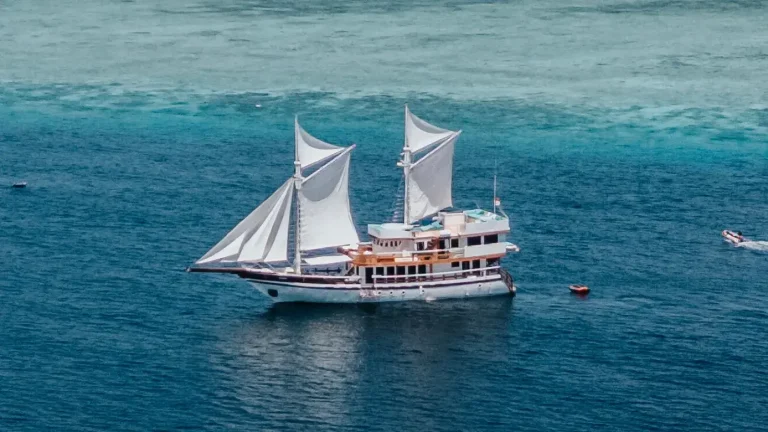
Komodo Luxury: Private vs Shared in 2027 (Part 29)
When planning your Komodo adventure in 2027, understanding the differences between private and shared luxury options is essential. With capped visitor numbers…
Read The Story
Book Your Komodo Tour Early for 2027: Peak Season Sell-Out Guide
Planning your 2027 Komodo adventure? With limits on daily visitors and high demand, early booking is essential to secure your spot in…
Read The Story
Island-hopping route ideas across Indonesia for independent travelers
Explore diverse Indonesia island-hopping routes that cater to independent travelers. From Java to Raja Ampat, discover unique itineraries that connect major islands…
Read The Story