Is Traveling in Sumatra Safe for Wander Indonesia?
1 Jun 2026
Published
juara_admin
Author
6
Min Read
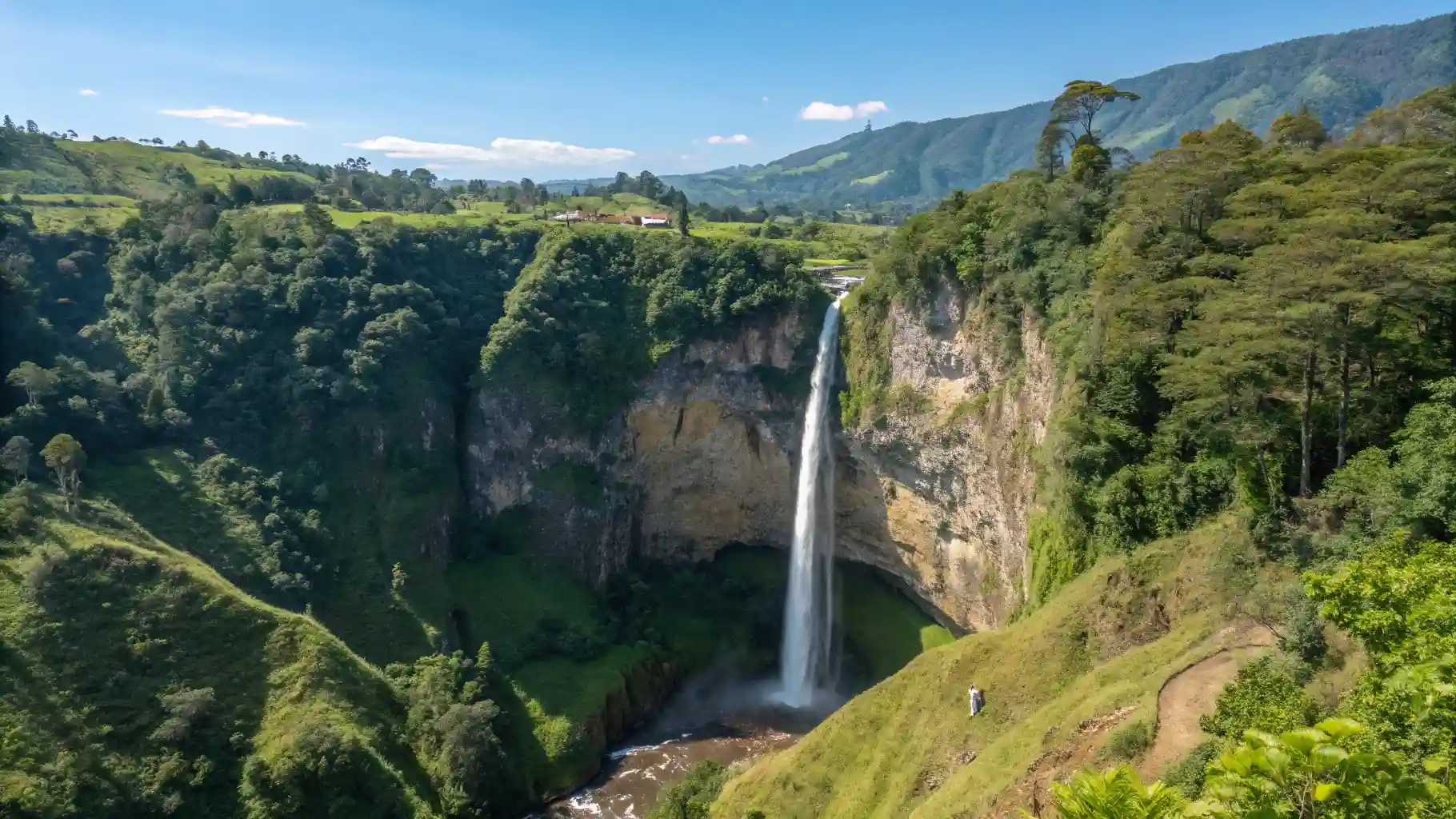
- Crime rates are relatively low, but petty theft can occur.
- Natural disasters, including earthquakes and volcanic activity, are risks in the region.
- Health and sanitation standards can vary; it’s essential to take precautions.
As you step off the plane in Sumatra, the air is thick with the scent of spices and the sounds of exotic wildlife echo through the lush jungles. The island, the sixth largest in the world, is an untamed paradise waiting to be explored, offering both adventure and serenity. But for those planning to wander through this less-traveled part of Indonesia, the question of safety looms large. Is Sumatra safe for travel? Let’s delve into what you need to know before embarking on your journey.
Understanding the Safety Landscape
When considering whether to travel to Sumatra, understanding the overall safety landscape is crucial. This island is home to a diverse range of cultures and landscapes, from bustling cities like Medan to tranquil rural areas. While the larger cities may have issues with petty crime, such as pickpocketing and scams, these incidents are generally infrequent compared to other tourist destinations worldwide. According to the Indonesian National Police, overall crime rates in Sumatra are lower than in many Western countries.
To navigate safely, it’s wise to stay alert, avoid displaying valuables, and stick to well-lit areas at night. Traveling in groups can also enhance safety, especially in urban settings. As always, registering with your embassy upon arrival can provide an extra layer of security and assistance in case of emergencies.
Health Precautions: Staying Safe in Sumatra
Health considerations are paramount when traveling to a tropical destination like Sumatra. The island is known for its rich biodiversity, but it also has its share of health risks. Diseases such as malaria, dengue fever, and typhoid are present, so vaccinations and preventive medications are advisable. The Centers for Disease Control and Prevention (CDC) recommends vaccinations for hepatitis A and B, typhoid, and, depending on your travel plans, rabies.
While major cities like Medan have hospitals and clinics, rural areas may lack access to quality healthcare. It’s essential to carry a well-stocked first-aid kit and ensure you have travel insurance that covers medical emergencies. The cost for basic health care can vary, but a consultation at a private clinic may range from $20 to $50.
Natural Disasters: Being Prepared
Sumatra is situated on the Pacific Ring of Fire, making it prone to natural disasters such as earthquakes, volcanic eruptions, and tsunamis. Noteworthy is Mount Sinabung, which has been active in recent years. The Indonesian government has protocols in place for disaster preparedness, but understanding these risks is vital for travelers.
Staying informed about the local situation via news outlets and registering for alerts can help mitigate risks. Familiarize yourself with evacuation routes and safety protocols at your accommodation. The Indonesian Meteorology, Climatology, and Geophysics Agency provides updates on seismic activity and weather conditions, which can be a valuable resource during your stay.
Transport Connections: Navigating Sumatra
Getting around Sumatra can be an adventure in itself. The island is vast, and transport options vary widely. Domestic flights are available between major cities, while buses and ferries serve smaller communities and tourist spots. The Pelni ferry system connects various islands, providing a scenic and economical way to travel.
For those seeking the best routes, consider using the Wander Indonesia platform, which offers comprehensive travel itineraries and transport connections across the archipelago. Travel time between cities can vary significantly; for example, a flight from Medan to Padang takes about 1.5 hours, while a bus trip can take up to 12 hours. Knowing your options and planning accordingly can enhance your travel experience.
Cultural Sensitivity: Engaging with Locals
Sumatra is home to numerous ethnic groups, each with its unique customs and traditions. Engaging with local communities can enrich your travel experience, but cultural sensitivity is essential. Dress modestly, especially in rural areas and religious sites, and always ask permission before taking photos of people.
The island is also known for its vibrant markets and culinary delights. Sampling local street food, such as rendang or nasi goreng, can be a culinary adventure. However, be cautious about where you eat to avoid foodborne illnesses. Stick to busy stalls with high turnover, as freshness can be a good indicator of food safety.
Environmental Awareness: Respecting Nature
As you explore Sumatra’s lush landscapes, from the Gunung Leuser National Park to the pristine beaches of the Mentawai Islands, it’s vital to practice environmental awareness. The island’s ecosystems are fragile and require protection from overtourism and pollution. Engage in responsible tourism practices, such as minimizing plastic use and supporting local conservation efforts.
Participating in guided eco-tours can also enhance your understanding of the local environment while ensuring you leave a minimal footprint. Organizations like the World Wildlife Fund (WWF) are active in Sumatra, working to protect endangered species and habitats. Supporting these initiatives can help preserve the island’s natural beauty for future generations.
Quick FAQ
Is Sumatra safe for solo travelers?
Yes, many solo travelers visit Sumatra without issues. Staying aware of your surroundings and adhering to local customs can enhance your safety.
What are the best transportation options in Sumatra?
Domestic flights are efficient for long distances, while buses and ferries serve shorter routes. Renting a motorbike is popular for exploring rural areas.
Can I drink tap water in Sumatra?
It’s advisable to avoid tap water in Sumatra. Stick to bottled water, which is widely available, to prevent waterborne illnesses.
What is the best time to visit Sumatra?
The dry season from May to September is ideal for travel, as rainfall is minimal, making outdoor activities more accessible.
As you prepare to wander through Sumatra, remember that while the island has its challenges, it also offers incredible experiences. From the rich cultural tapestry to the breathtaking natural landscapes, your journey promises to be unforgettable. For more insights and travel tips, explore our comprehensive guide on [Wander Indonesia](https://wanderindo.com/home).
Whether you’re planning a week-long adventure or a multi-island itinerary, understanding the nuances of safety in Sumatra is essential. By staying informed and respectful, you can fully immerse yourself in the vibrant life of this stunning island. Ready to embark on your adventure? Check out the [WanderIndo Pricing & Cost Guide](https://wanderindo.com/wanderindo-pillar2/) for budget-friendly options and start planning your journey today!
Planning specifics? See WanderIndo or WanderIndo.
More From The Journal
Keep Reading
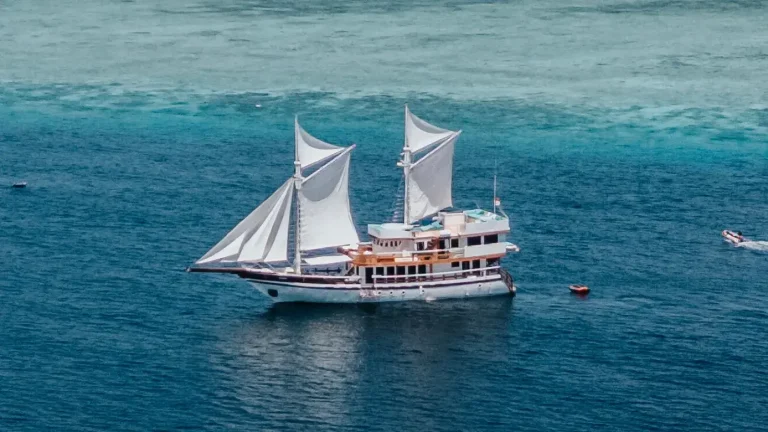
Komodo Luxury: Private vs Shared in 2027 (Part 29)
When planning your Komodo adventure in 2027, understanding the differences between private and shared luxury options is essential. With capped visitor numbers…
Read The Story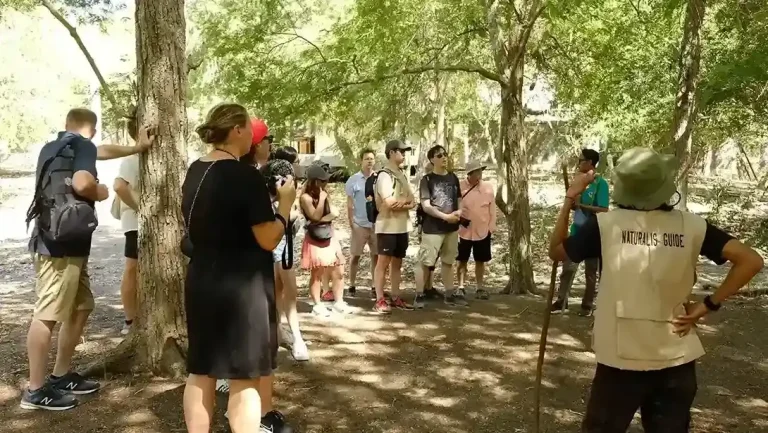
Book Your Komodo Tour Early for 2027: Peak Season Sell-Out Guide
Planning your 2027 Komodo adventure? With limits on daily visitors and high demand, early booking is essential to secure your spot in…
Read The Story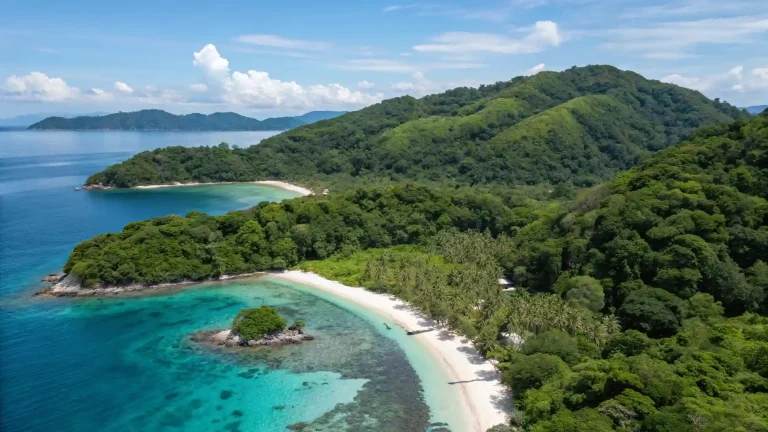
Island-hopping route ideas across Indonesia for independent travelers
Explore diverse Indonesia island-hopping routes that cater to independent travelers. From Java to Raja Ampat, discover unique itineraries that connect major islands…
Read The Story