Indonesia Visas and Visa Runs in 2026: How Long Can You Stay?
2 Jun 2026
Published
juara_admin
Author
7
Min Read
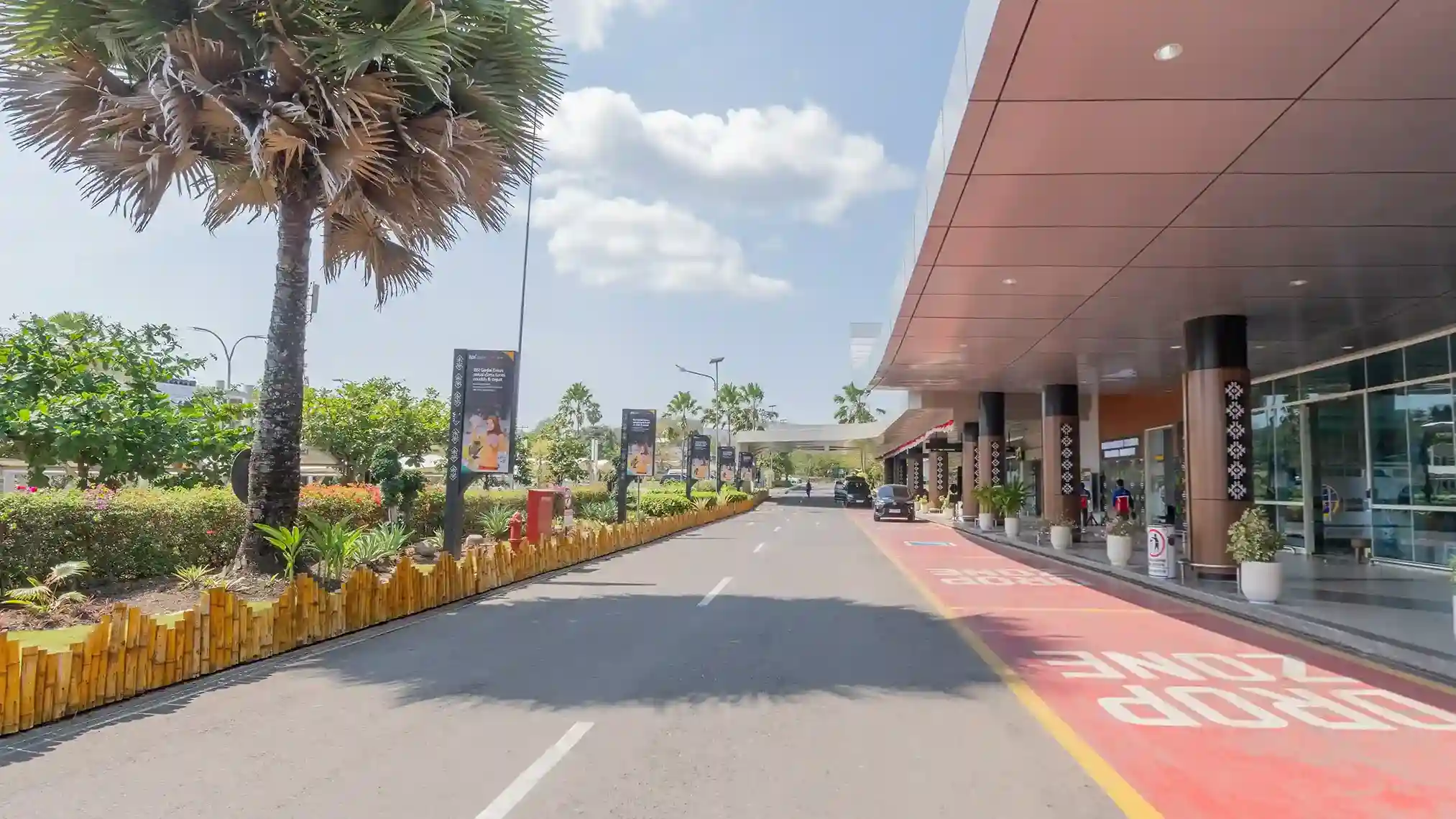
The aroma of spices fills the air as you stroll through the bustling markets of Bali, where every corner seems to offer a new adventure waiting to unfold. In this vibrant archipelago, understanding the visa rules is crucial for maximizing your stay.
How long can I stay in Indonesia on a tourist visa in 2026?
In 2026, travelers arriving in Indonesia can stay for a maximum of 30 days on a visa on arrival, which can be obtained at various entry points, including major airports like Ngurah Rai International Airport in Bali and Soekarno-Hatta International Airport in Jakarta. This visa is valid for tourism purposes and can be extended for an additional 30 days, allowing for a total of up to 60 days in the country. To extend your visa, you will need to apply through the local immigration office before your initial 30-day period expires. The extension process typically costs around IDR 500,000 (approximately USD 35) and takes a few business days to process. Be sure to have your passport, a recent photograph, and proof of onward travel ready for the extension application.
Can I do a visa run from Indonesia to Singapore or Malaysia?
Yes, visa runs from Indonesia to neighboring countries like Singapore and Malaysia are a common practice for tourists looking to extend their stay. A visa run involves leaving Indonesia temporarily to reset your visa status, allowing you to re-enter the country with a new visa on arrival or extend your stay further. Popular destinations for visa runs include Singapore, which is only about 1,600 kilometers away from Jakarta, and Kuala Lumpur, Malaysia, approximately 1,300 kilometers from Bali. Flights to these destinations are frequent and affordable, usually ranging from USD 30 to USD 100 one-way, depending on the time of booking and the airline. After spending at least one night in your destination, you can return to Indonesia and apply for a new visa on arrival.
How do I extend my Indonesia visa on arrival?
Extending your Indonesia visa on arrival involves a straightforward process. You must visit the local immigration office (Kantor Imigrasi) in the area where you are staying, such as Ubud in Bali or Seminyak. It’s advisable to start the extension process at least a week before your visa expires to avoid any issues. Bring along your passport, a recent passport-sized photograph, and a completed visa extension application form, which can be obtained on-site. The processing fee is around IDR 500,000 (approximately USD 35), and it usually takes between 3 to 5 business days for approval. Ensure that you keep your extended visa stamp in your passport as proof of your legal stay.
Is it legal to back-to-back visa runs in Indonesia?
Back-to-back visa runs are technically legal in Indonesia, but authorities may become wary of frequent travelers attempting to exploit visa regulations. Immigration officers are trained to identify patterns of abuse, and repeated entries may lead to increased scrutiny or even denial of entry on subsequent visits. To minimize issues, it’s advisable to spend a few days outside Indonesia before returning and to maintain a clear itinerary. Additionally, travelers should ensure they have all necessary documentation ready, including proof of onward travel and accommodation, to present upon re-entry. Frequent travelers should also stay informed about current visa regulations, as these can change based on immigration policies.
Visa rules Indonesia for backpackers
Backpackers traveling through Indonesia should be aware of the visa rules to ensure a smooth journey. The most popular option is the visa on arrival, which allows for a 30-day stay and can be extended once for another 30 days. For longer trips, some backpackers choose to apply for a social-cultural visa, which allows for a stay of up to 60 days, with the possibility of extensions, but this requires a local sponsor. Costs for visa applications vary, with the social-cultural visa costing around IDR 1,000,000 (approximately USD 70) plus extension fees. It is essential for backpackers to plan their routes and stay informed about any changes in visa regulations to avoid complications during their travels.
For more detailed information about Indonesian visas, consider visiting Indonesia Travel and Wikipedia on Visa Policy.
For assistance in planning your trip to Indonesia, whether for a short visit or an extended backpacking adventure, contact the team for personalized guidance and support.
Exploring Indonesia’s diverse islands
The sheer diversity of Indonesia’s islands beckons travelers to venture beyond Bali’s shores. From the volcanic landscapes of Java to the pristine beaches of Raja Ampat, each region offers a unique experience and a vibrant culture that captures the heart of wanderers. Java, the most populous island, is home to the bustling capital city of Jakarta, along with cultural treasures like Yogyakarta and the ancient temples of Borobudur and Prambanan, both UNESCO World Heritage Sites. Here, you can immerse yourself in the rich history and artistry that dates back centuries.
Traveling to Flores unveils the stunning vistas of Kelimutu National Park, famous for its tri-colored crater lakes, an unforgettable spectacle that draws nature lovers. Meanwhile, the underwater marvels of Komodo National Park present a playground for divers and snorkelers, with vibrant coral reefs and the iconic Komodo dragons. With over 17,000 islands in total, the transportation options—including budget flights, ferries, and Pelni ships—allow for seamless travel between destinations, making it easy to craft a multi-stop itinerary that maximizes your Indonesian adventure.
Visa runs and extensions: navigating your options
Understanding the intricacies of visa runs is essential for those who wish to explore Indonesia beyond the initial 30 days. A common practice involves flying to neighboring countries such as Singapore or Malaysia, where you can spend a brief time before re-entering Indonesia to activate a new visa on arrival. Flights can be surprisingly affordable, with round-trip fares starting at around $100, allowing you to absorb new cultures while fulfilling visa requirements.
In addition to visa runs, extending your visa while in Indonesia is a straightforward process. You can apply for an extension at local immigration offices, with a fee of approximately IDR 500,000 ($35). You will need to provide necessary documentation, including a passport with at least six months of validity and a recent photograph. The whole process can take a few days, so be sure to plan ahead to avoid any last-minute travel disruptions.
Seasonal travel tips for Indonesia in 2026
Indonesia experiences two main seasons: the dry season (April to September) and the wet season (October to March). Most travelers flock to the islands during the dry season for optimal weather, ideal for hiking, diving, and beach activities. However, visiting during the wet season can offer unique advantages, such as fewer tourists, lower accommodation prices, and lush landscapes, especially in places like Sumatra and Sulawesi, where the rain brings out the vibrant greenery.
For those planning longer stays, consider the timing of local festivals, such as Bali’s Nyepi (Day of Silence) in March or the vibrant festivals in Yogyakarta. These cultural events enrich your travel experience and provide insight into the local traditions and communities. Whether you choose to explore Indonesia’s iconic sites or venture into its hidden gems, being mindful of the seasons and local customs can enhance your journey through this enchanting archipelago.
Planning specifics? See WanderIndo or wanderindo money.
More From The Journal
Keep Reading
Komodo Luxury: Private vs Shared in 2027 (Part 29)
When planning your Komodo adventure in 2027, understanding the differences between private and shared luxury options is essential. With capped visitor numbers…
Read The Story
Book Your Komodo Tour Early for 2027: Peak Season Sell-Out Guide
Planning your 2027 Komodo adventure? With limits on daily visitors and high demand, early booking is essential to secure your spot in…
Read The Story
Island-hopping route ideas across Indonesia for independent travelers
Explore diverse Indonesia island-hopping routes that cater to independent travelers. From Java to Raja Ampat, discover unique itineraries that connect major islands…
Read The Story