Best Time to Wander Indonesia: Seasonal Guide
28 May 2026
Published
juara_admin
Author
8
Min Read
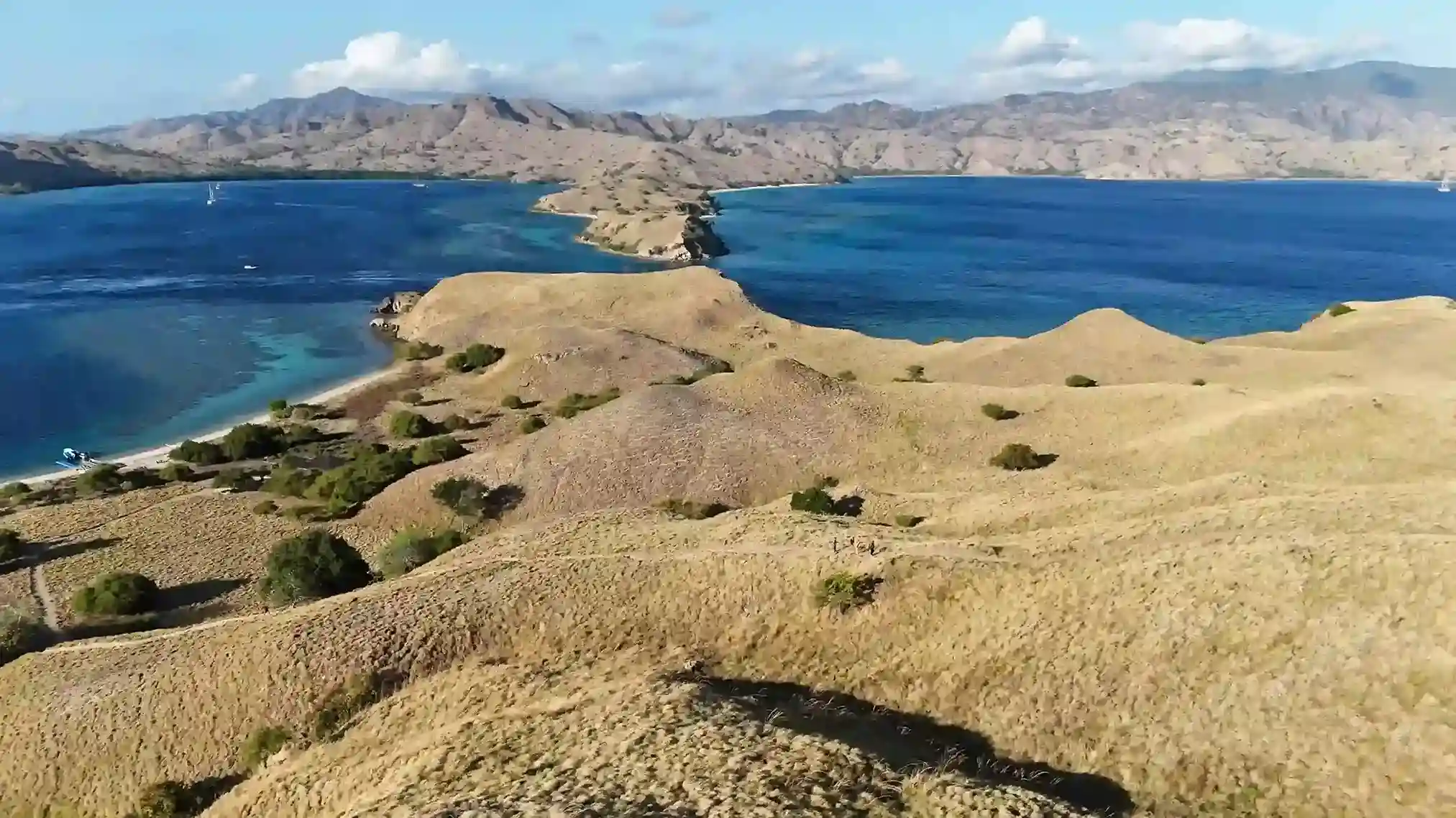
- April to October offers ideal weather for most islands.
- November to March sees increased rainfall, affecting travel plans.
- Consider regional variations for a tailored itinerary.
As you step off the plane in Jakarta, the air is thick with the scent of street food sizzling on nearby stalls. Your senses ignite as the vibrant chaos of city life envelops you, and a thrilling journey across Indonesia awaits. With over 17,000 islands, the archipelago offers an unparalleled tapestry of cultures, landscapes, and experiences. However, the best time to wander Indonesia hinges on understanding the seasonal patterns that define this vast region.
The nuances of Indonesia’s weather can make or break your journey, especially if you venture beyond the well-trodden paths of Bali. This guide will help you navigate the diverse climates across Java, Flores, Sulawesi, Sumatra, and Raja Ampat, ensuring that your travel plans align with the optimal conditions for exploration.
Understanding Indonesia’s Seasons
Indonesia predominantly experiences two seasons: the dry season and the wet season. The dry season, which spans from April to October, is generally characterized by warm temperatures and minimal rainfall. This period is favored by travelers seeking outdoor adventures, as the weather is conducive to hiking, diving, and cultural excursions.
Conversely, the wet season, from November to March, brings increased rainfall and humidity across many regions. While this season can deter some travelers, it also offers unique opportunities, such as lush green landscapes and fewer tourists. Understanding these seasonal dynamics is crucial for planning your itinerary, particularly if you’re exploring the lesser-known islands.
In addition to these two main seasons, regional variations can significantly influence your travel experience. For instance, the wet season in Bali might not align with the dry season on Flores, making it essential to tailor your plans based on specific destinations.
Best Time to Wander Java
Java, Indonesia’s most populous island, is a hub of cultural and historical significance. The best time to wander Java is during the dry season, particularly from May to September. During these months, cities like Yogyakarta and Surabaya buzz with activity, and the weather is perfect for exploring ancient temples such as Borobudur and Prambanan.
In contrast, visiting Java during the wet season can present challenges. Heavy rains can disrupt travel plans and obscure views of the stunning landscapes. However, if you venture to Java during this time, consider the unique experience of witnessing the island’s lush terrain and vibrant flora.
Atomic Fact: Java is home to over 147 million people, making it the world’s most populous island.
Transport connections within Java are generally reliable, with frequent trains and buses linking major cities. For a more adventurous route, consider a trip to Mount Bromo, where the sunrise views are simply unforgettable.
Exploring Flores: A Hidden Gem
Flores is increasingly becoming a sought-after destination for those looking to escape the crowds. The best time to wander Flores is during the dry season, from April to December. This period offers ideal conditions for trekking to the iconic Kelimutu lakes, where the multi-colored crater lakes are at their most vibrant.
The wet season, particularly from January to March, can bring heavy rains that may hinder outdoor activities. Nevertheless, visiting during this time can provide a unique glimpse into the local culture, as fewer tourists mean a more authentic experience.
For transportation, domestic flights connect Flores to Bali and other islands, but ferry services also operate, allowing for a scenic route. Be sure to check schedules and plan accordingly, as delays can occur.
Atomic Fact: The Komodo National Park, located in Flores, is a UNESCO World Heritage site and home to the famous Komodo dragons.
Sulawesi: A Diverse Destination
Sulawesi is known for its unique shape and diverse cultures. The best time to wander Sulawesi is during the dry season, which varies by region but generally falls between May and October. The Tana Toraja region, famous for its elaborate funeral rites and traditional houses, is particularly vibrant during this time.
While the wet season from November to March can bring heavy rain, it also presents opportunities to experience Sulawesi’s rich biodiversity. If you venture during this time, you’d likely encounter fewer tourists and have a more intimate experience with the local communities.
Transportation within Sulawesi can be challenging due to its geography, so plan your routes carefully. Domestic flights are available, but for a more immersive experience, consider overland travel, which offers stunning views of the island’s landscapes.
Atomic Fact: Sulawesi is home to over 300 ethnic groups, each with its own unique customs and traditions.
Sumatra: Nature and Adventure Await
Sumatra is a paradise for nature lovers, offering everything from lush rainforests to stunning beaches. The best time to wander Sumatra is during the dry season, from May to September. This is the ideal time to explore the Bukit Lawang rainforest, home to the critically endangered Sumatran orangutan.
The wet season, from October to April, can bring heavy rainfall, particularly in the northern regions. However, if you visit during this time, be prepared for fewer tourists and a chance to witness the island’s incredible biodiversity in its most vibrant state.
Getting around Sumatra can be less straightforward than in other regions, but domestic flights, buses, and ferries provide options for reaching major attractions. For a more adventurous route, consider a trek through the Gunung Leuser National Park, a UNESCO World Heritage site.
Atomic Fact: Sumatra is home to the last remaining populations of Sumatran tigers and elephants, making it a critical area for conservation efforts.
Raja Ampat: The Ultimate Diving Destination
Raja Ampat is often regarded as one of the world’s premier diving destinations, renowned for its rich marine biodiversity. The best time to wander Raja Ampat is during the dry season, from October to April. This period offers calm seas and excellent visibility, making it ideal for diving and snorkeling.
The wet season can bring rough seas and limited visibility for underwater activities. However, if you are flexible with your plans, visiting during this time may allow for unique experiences, such as witnessing local festivals and enjoying the region’s stunning landscapes without the crowds.
Transportation to Raja Ampat typically requires a flight to Sorong, followed by a speedboat transfer to the islands. Consider booking in advance, especially during peak travel months, to ensure availability.
Atomic Fact: Raja Ampat boasts over 1,500 species of fish and 600 species of coral, making it one of the richest marine environments on the planet.
Building a Multi-Island Itinerary
When planning your journey through Indonesia, consider building a multi-island itinerary that aligns with the best times to wander Indonesia. For example, a two-week route could begin in Java, exploring Yogyakarta and Mount Bromo, followed by a flight to Flores for a trek to Kelimutu.
From there, you could head to Sulawesi to immerse yourself in Tana Toraja culture before flying to Sumatra for wildlife encounters in Bukit Lawang. Finally, conclude your adventure in Raja Ampat, enjoying unparalleled diving experiences.
Budget considerations are essential when crafting your itinerary. Flights between islands can vary in price, and the cost of accommodations and activities may also fluctuate based on the season. For detailed budgeting strategies, refer to our [WanderIndo Pricing & Cost Guide](https://wanderindo.com/wanderindo-pillar2/).
Atomic Fact: A two-week multi-island itinerary could cost anywhere from $1,500 to $3,000, depending on your travel style and preferences.
Quick FAQ
What is the best time to visit Indonesia?
The best time to wander Indonesia is during the dry season, from April to October, when most regions experience favorable weather.
Is it worth visiting Indonesia during the wet season?
Yes, visiting during the wet season can offer unique experiences, such as fewer crowds and lush landscapes, but be prepared for potential travel disruptions.
How do I travel between islands in Indonesia?
You can travel between islands by domestic flights, ferries, or Pelni ships, depending on the distance and your budget.
What are the visa requirements for Indonesia?
Visa requirements vary based on nationality; many visitors can obtain a visa on arrival, while others might need to apply in advance. Check the [WanderIndo Guide](https://wanderindo.com/wanderindo-pillar1/) for detailed information.
As you prepare to wander Indonesia, remember to consider the seasonal variations that will enhance your journey. Whether you seek cultural immersion, adventure in nature, or stunning marine life, Indonesia offers a wealth of experiences that cater to every traveler’s desires. To begin planning your adventure, explore our [WanderIndo homepage](https://wanderindo.com/home/) for all the resources you need to make your trip a success.
Planning specifics? See WanderIndo or WanderIndo.
More From The Journal
Keep Reading
Komodo Luxury: Private vs Shared in 2027 (Part 29)
When planning your Komodo adventure in 2027, understanding the differences between private and shared luxury options is essential. With capped visitor numbers…
Read The Story
Book Your Komodo Tour Early for 2027: Peak Season Sell-Out Guide
Planning your 2027 Komodo adventure? With limits on daily visitors and high demand, early booking is essential to secure your spot in…
Read The Story
Island-hopping route ideas across Indonesia for independent travelers
Explore diverse Indonesia island-hopping routes that cater to independent travelers. From Java to Raja Ampat, discover unique itineraries that connect major islands…
Read The Story