Indonesia Route Planning: Sample Maps, Tools and No-Backtrack Itineraries
8 Jun 2026
Published
juara_admin
Author
8
Min Read
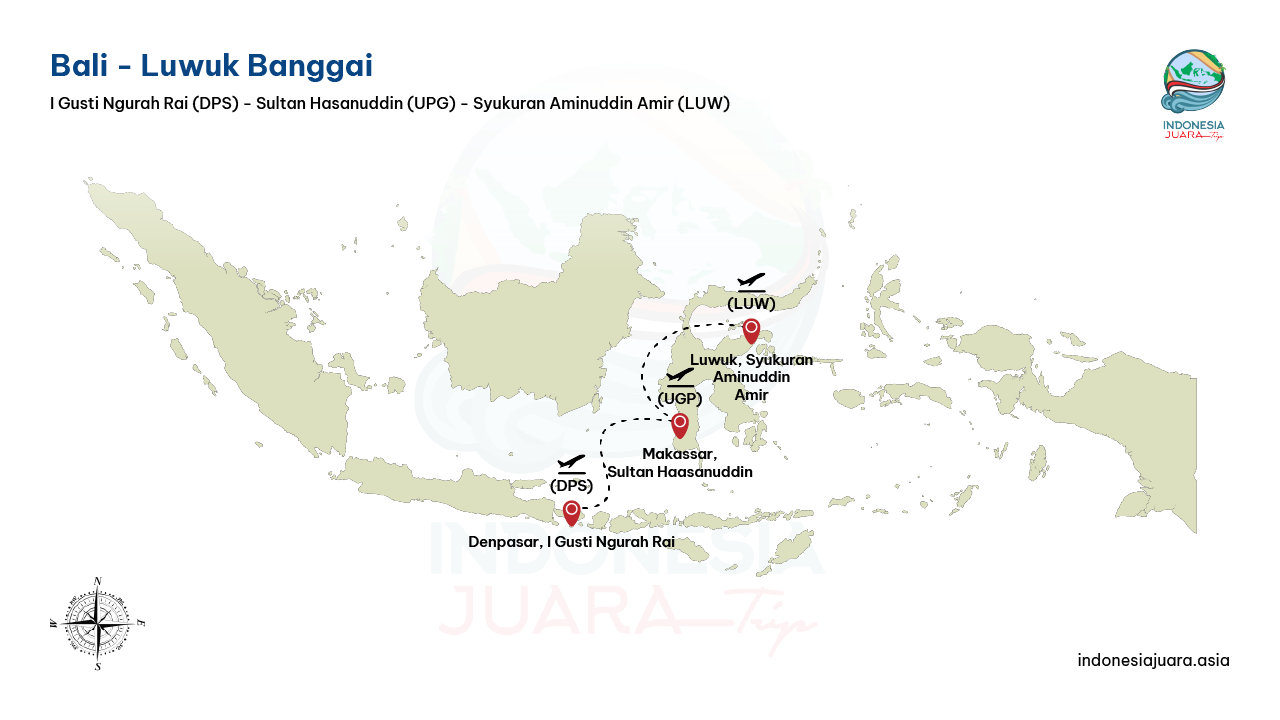
- Utilizing an Indonesia route planner can help streamline your travel experience.
- Sample Indonesia backpacking routes can guide your itinerary development.
- Booking transport on-the-go may provide flexibility, but pre-planning can enhance efficiency.
Tropical breezes rustle through the lush canopies of Indonesia’s diverse landscapes, inviting travelers to explore its vibrant islands. Each destination unfolds unique experiences, from the volcanic peaks of Java to the pristine beaches of Raja Ampat.
How do I plan an Indonesia route without backtracking?
To plan an Indonesia route without backtracking, start by mapping out your journey with a clear direction. Focus on a logical sequence of islands, such as Bali, Lombok, and the Komodo Islands, which allows for efficient travel without returning to previous stops. Techniques like creating a loop or using a linear route help minimize redundancy in your itinerary.
Consider using tools like Google Maps or specialized travel apps that allow you to visualize your route and adjust as needed. Prioritize transportation methods that connect your destinations directly, such as ferries or domestic flights, which can enhance your travel efficiency.
For a practical example, if you plan to travel from Bali to Flores, consider flying from Bali to Labuan Bajo (approximately 1.5 hours), then exploring the islands of Komodo and Rinca before heading back to Flores.
What tools can I use to map my Indonesia itinerary?
Several tools can assist in mapping your Indonesia itinerary. Google Maps is a fundamental resource, providing detailed routes, estimated travel times, and user-generated reviews. Additionally, travel planners like Roadtrippers and Komoot can help visualize your journey, especially when exploring lesser-known routes.
Mobile applications such as Travel Mapper or TripIt offer itinerary management features, allowing you to input your destinations and automatically generate routes. For backpackers, the Lonely Planet Guides provide sample Indonesia backpacking routes that can serve as a foundation for your exploration.
Using a combination of these tools, you can create a practical and flexible itinerary, ensuring that your travels through Indonesia are both enjoyable and efficient.
How many islands should I include in my first Indonesia trip?
When planning your first Indonesia trip, consider including between three to five islands, depending on the duration of your stay—usually one to three weeks. A balanced approach allows you to experience a mix of cultural sites, natural beauty, and adventure without feeling rushed.
For instance, a popular route might include Bali for its beaches and nightlife, Java for the cultural heritage of Yogyakarta and the volcanic wonders of Mount Bromo, and Sumatra for its wildlife in the Bukit Lawang rainforest. Each island offers distinct experiences, making your journey rich and varied.
If your time allows, you could add Flores for its stunning landscapes and the Komodo Islands for their unique wildlife, yet be mindful of travel distances. For example, a flight from Bali to Labuan Bajo costs around $50-100 (IDR 750,000-1,500,000) and takes about 1.5 hours.
Can I book transport as I go or should I pre-plan everything?
Booking transport in Indonesia can be done both ways, but a balanced approach is often best. For popular routes, such as Bali to Gili Islands or Bali to Java, advance bookings can secure better prices and availability. However, for more flexible travel, especially between less frequented islands, you can book transport as you go.
Local transport options include ferries, buses, and domestic flights. For example, a ferry from Bali to Lombok costs about $10-15 (IDR 150,000-225,000) and takes approximately 1.5 hours. Alternatively, booking flights in advance may save you time and money, particularly during peak seasons like July and August when demand rises.
Utilizing local apps, such as Traveloka or Tiket.com, can streamline the booking process and offer last-minute deals for travelers wishing to remain spontaneous.
Sample Indonesia backpacking routes
Sample Indonesia backpacking routes can offer structured yet flexible itineraries for those looking to explore multiple islands. A common route includes starting in Bali, followed by Lombok, and then heading to the Komodo Islands.
From Bali, take a quick flight or ferry to Lombok, where you can hike Mount Rinjani or relax on the beautiful beaches. After Lombok, a direct boat to the Komodo Islands allows for a chance to witness the famous Komodo dragons in their natural habitat. This route may take around one week, including travel time, allowing ample opportunity for exploration.
Additionally, consider the cultural and environmental diversity of Java and Sumatra. A route that includes Java’s Yogyakarta and Bromo, followed by Sumatra’s Lake Toba, can provide a deeper immersion into Indonesia’s heritage and natural wonders.
Indonesia multi-island map for travelers
Creating an Indonesia multi-island map for travelers involves selecting key destinations and connecting them logically. Visualize your journey using online mapping tools to identify distances and travel times. For example, a map that includes Bali, Java, and Sumatra allows you to plan more effectively.
Each island’s distance varies; Bali to Java is about 200 km (124 miles) and typically requires a ferry or flight. Java to Sumatra is another significant distance, often needing a flight that lasts approximately 1 hour. A comprehensive map will help you gauge travel times and distance, providing a clearer overview of your itinerary.
For those interested in diving, Raja Ampat is a must; however, include it at the beginning or end of your journey due to its remote location. This level of planning ensures a well-structured travel experience while maximizing the exploration of Indonesia’s diverse beauty.
For further resources, consider checking out [Indonesia Travel](https://www.indonesia.travel/) for detailed travel maps and guides, or [UNESCO](https://whc.unesco.org/en/statesparties/id) for cultural heritage sites.
To explore more about travel in Indonesia, visit our [homepage](/) or check our [travel guides](/) for detailed itineraries and tips.
For personalized assistance in planning your trip, don’t hesitate to contact the team through our [contact page](/contact/).
Exploring Indonesia’s hidden gems
Beyond the well-trodden paths of Bali and Jakarta, Indonesia brims with lesser-known treasures that captivate adventurous souls. Picture the ethereal beauty of Flores, where the UNESCO-listed Komodo National Park teems with exotic wildlife and stunning landscapes. Here, the iconic Komodo dragon roams freely, making it a must-visit for wildlife enthusiasts. The park’s stunning marine biodiversity also offers some of the world’s best diving opportunities, with vibrant coral reefs and abundant sea life.
Consider a journey to the enchanting island of Sumba, known for its traditional villages and unique megalithic tombs. This island is a place where ancient customs flourish, providing a glimpse into Indonesia’s rich cultural tapestry. Visitors can experience the annual Pasola Festival, where horsemen engage in a colorful ritual that dates back centuries, showcasing the island’s vibrant heritage. Sumba is about a 1.5-hour flight from Bali, making it an accessible addition to your itinerary.
Maximizing your travel budget
Indonesia offers a spectrum of budget options, making it possible for every traveler to experience its wonders without breaking the bank. Street food, for example, is not only delicious but also incredibly affordable, with meals often costing less than $2. From rich nasi goreng to refreshing sate skewers, indulging in local cuisine becomes an integral part of your journey. Additionally, local guesthouses provide comfortable accommodations at prices ranging from $10 to $30 per night, allowing you to stretch your dollars further.
When planning your transport, consider using Pelni ferries for inter-island travel. These ferries connect major islands and offer a scenic, budget-friendly mode of transportation. For instance, a ferry ride from Bali to Lombok can cost around $10 and provides breathtaking views of the surrounding waters. By strategically choosing your transport options and accommodations, you can allocate more of your budget to experiences like guided tours, cultural performances, and adventure activities.
Understanding travel seasons and visa requirements
Indonesia’s diverse climate means that the best time to visit varies by region. Generally, the dry season, from April to October, is ideal for most destinations, ensuring sunny skies and pleasant temperatures. However, if you venture to Sumatra or Sulawesi, consider the shoulder seasons for a quieter experience. The rainy season, typically from November to March, brings lush landscapes but may affect transportation schedules, particularly ferries.
Visa regulations can also impact your travel plans. Many nationalities can enter Indonesia visa-free for up to 30 days, while others may need to apply for a visa on arrival for a maximum of 60 days. Staying informed about the latest visa policies and having an exit strategy is crucial, especially for longer itineraries. Ensuring your travels comply with local regulations can prevent unnecessary stress during your adventure. For updated information, visit the official Indonesian tourism website at indonesia.travel.
Planning specifics? See WanderIndo or booking details.
More From The Journal
Keep Reading

Komodo Luxury: Private vs Shared in 2027 (Part 29)
When planning your Komodo adventure in 2027, understanding the differences between private and shared luxury options is essential. With capped visitor numbers…
Read The Story
Book Your Komodo Tour Early for 2027: Peak Season Sell-Out Guide
Planning your 2027 Komodo adventure? With limits on daily visitors and high demand, early booking is essential to secure your spot in…
Read The Story
Island-hopping route ideas across Indonesia for independent travelers
Explore diverse Indonesia island-hopping routes that cater to independent travelers. From Java to Raja Ampat, discover unique itineraries that connect major islands…
Read The Story