Responsible Travel in Indonesia: Ethical Wildlife, Culture and Island Hopping
6 Jun 2026
Published
juara_admin
Author
7
Min Read
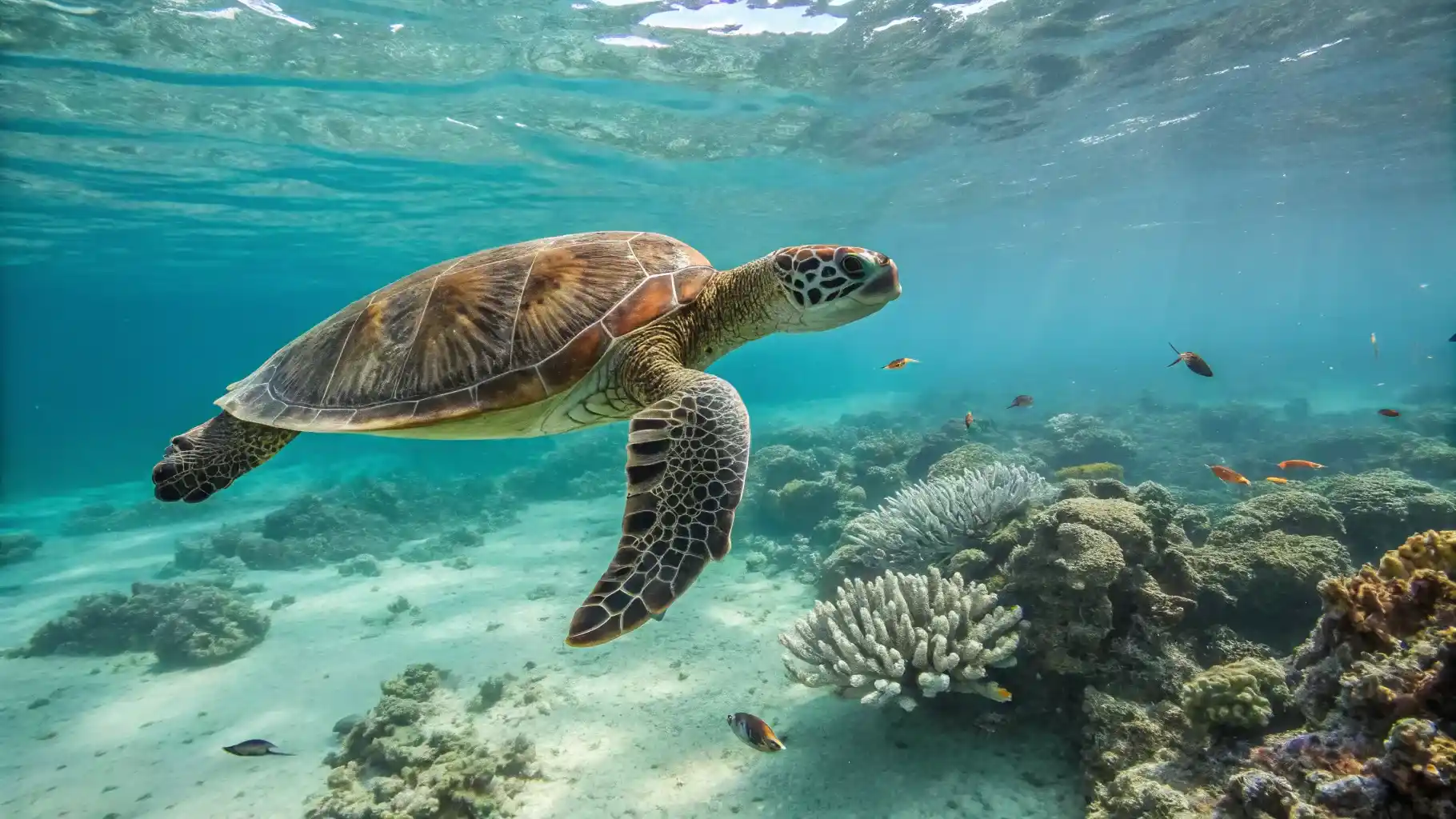
The scent of clove trees wafts through the air, mingling with the salty breeze from the Indonesian seas. Here, the vibrant culture and diverse ecosystems create an intricate dance of life, begging travelers to tread lightly and respectfully.
How can I travel responsibly in Indonesia?
Traveling responsibly in Indonesia means prioritizing ethical interactions with wildlife and communities. Choose eco-friendly accommodations such as local homestays, where you can engage with residents and learn about their way of life. Participate in guided tours from certified organizations that promote conservation and responsible wildlife viewing, like the Orangutan Foundation International, which operates in both Borneo and Sumatra. Additionally, always dispose of waste properly, and support businesses that practice sustainable tourism.
Are orangutan tours in Sumatra ethical?
Not all orangutan tours in Sumatra are ethical. It’s crucial to research the operators before booking. Ethical tours, like those offered by the Bukit Lawang Eco Lodge, emphasize conservation and responsible viewing. They educate visitors on the ecological significance of orangutans and their habitats. Prices for these tours can range from $50 to $150 (IDR 700,000 to IDR 2,200,000) per person for a day trip, depending on the inclusions. Always confirm that the tour follows guidelines set by organizations such as the International Union for Conservation of Nature (IUCN).
What should I know about local culture in Java and Sumatra?
When visiting Java and Sumatra, understanding local customs is essential for respectful engagement. In Java, greetings often involve a bow or a handshake with a smile. Dress modestly, especially in religious sites like the Borobudur Temple, a UNESCO World Heritage Site. On Sumatra, engage with local communities by participating in traditional ceremonies or festivals, like the Pesta Danau Toba, which celebrates Lake Toba’s culture. Always ask for permission before taking photographs, as this shows respect for local traditions.
How do I reduce plastic waste while island hopping in Indonesia?
To reduce plastic waste during your travels through Indonesia’s islands, start by packing reusable items, such as water bottles, shopping bags, and cutlery. Opt for accommodations that promote plastic-free initiatives, like those on Bali’s Nusa Lembongan, which encourage guests to bring their own containers. When dining, choose local warungs (small eateries) that serve food without excess packaging. Also, participate in beach clean-ups organized by local NGOs, such as Bye Bye Plastic Bags, to actively contribute to preserving Indonesia’s natural beauty.
What are the benefits of local homestays in Indonesia’s islands?
Staying in local homestays offers travelers an authentic glimpse into Indonesian life while supporting local economies. For example, in Flores, homestays can cost around $20 to $50 (IDR 300,000 to IDR 700,000) per night, often including meals and guided tours of nearby attractions. This experience fosters a connection with the community, allowing for cultural exchange and insight into traditional practices. Many homestays also engage with sustainable practices, such as organic farming, which benefits both the environment and guests.
What initiatives are in place for sustainable tourism in Indonesia?
Indonesia has implemented various initiatives to promote sustainable tourism, particularly in areas like Bali and Komodo National Park. The Indonesian Ministry of Tourism emphasizes eco-tourism through certifications for businesses that adhere to sustainable practices. The Green Hotel certification program encourages accommodations to reduce waste and energy consumption. Additionally, organizations like WWF Indonesia work on conservation projects to protect wildlife and habitats, making it essential for travelers to choose certified operators when planning their adventures.
How can I support wildlife conservation while traveling in Indonesia?
Supporting wildlife conservation in Indonesia can be done through several avenues. Choose tours that contribute to local conservation efforts, ensuring a portion of your fees goes directly to protecting habitats. Participate in volunteer programs, such as those offered by the Borneo Orangutan Survival Foundation, where you can aid in rehabilitation efforts. Donations to local NGOs focused on wildlife and environmental conservation are also impactful. By prioritizing ethical wildlife experiences, you help foster a culture of conservation in Indonesia.
For more detailed travel tips on Indonesia, visit our homepage at Wander Indonesia or explore our guides on sustainable travel and wildlife experiences.
To plan your responsible journey through Indonesia or for any questions, contact the team.
Island hopping adventures beyond Bali
As you wander Indonesia, the allure of its lesser-known islands beckons with promises of pristine beaches, vibrant marine life, and rich cultural experiences. Beyond the tourist crowds of Bali, islands like Flores, Sulawesi, and Raja Ampat offer a tapestry of adventures waiting to be explored. Imagine snorkeling in the coral-rich waters of Komodo National Park, where the majestic Komodo dragons roam freely, or trekking through the lush landscapes of Flores to witness the stunning Kelimutu lakes, known for their mesmerizing color-changing waters.
Travelers can navigate this archipelago through a combination of flights, ferries, and local boats. For instance, a ferry ride from Bali to Flores takes approximately 12 hours, making it an essential part of the journey. Alternatively, consider taking a domestic flight from Bali to Labuan Bajo, which serves as the gateway to Komodo National Park, with prices starting around $50. This route not only reduces travel time but also allows you to enjoy the stunning aerial views of the islands dotted across the sea.
Supporting local communities through travel
Responsible travel in Indonesia means actively contributing to the local communities you visit. One of the most impactful ways to do this is by choosing to stay in locally owned accommodations, such as homestays or guesthouses. These options not only provide a more authentic experience but also ensure that your travel dollars support the local economy. In places like Yogyakarta, you can immerse yourself in traditional crafts, learning batik painting from local artisans, or enjoy home-cooked meals featuring regional dishes.
Participating in community-based tourism initiatives allows travelers to engage directly with locals, fostering cultural exchange and understanding. For example, in Sumatra, visitors can join guided treks led by indigenous communities in the Bukit Lawang area. These experiences often include wildlife spotting in the Gunung Leuser National Park, where you might encounter orangutans swinging through the trees. By engaging in such activities, you not only enrich your travel experience but also promote sustainable practices that benefit the environment and its inhabitants.
Understanding travel seasons and logistics
When planning your journey across Indonesia, it’s essential to consider the best travel seasons to optimize your experience. The dry season, from April to October, is typically the most favorable for island hopping and outdoor activities. During this period, you can expect sunny skies and calmer seas, perfect for exploring remote beaches and indulging in water sports. Conversely, the wet season, from November to March, can bring heavy rains and challenging travel conditions, particularly in more remote areas.
Budget-conscious travelers can explore Indonesia using various transport options that fit different price ranges. Public ferries between islands are often the most economical, with fares as low as $10 for shorter routes. For longer distances, such as from Java to Sumatra, the Pelni ferry service provides comfortable overnight travel, with prices starting around $35. Additionally, with the growing number of low-cost airlines in the region, booking flights in advance can lead to substantial savings, allowing you to extend your itinerary without breaking the bank.
Planning specifics? See WanderIndo or how to book indonesia transport flights ferries and local buses on a.
More From The Journal
Keep Reading
Komodo Luxury: Private vs Shared in 2027 (Part 29)
When planning your Komodo adventure in 2027, understanding the differences between private and shared luxury options is essential. With capped visitor numbers…
Read The Story
Book Your Komodo Tour Early for 2027: Peak Season Sell-Out Guide
Planning your 2027 Komodo adventure? With limits on daily visitors and high demand, early booking is essential to secure your spot in…
Read The Story
Island-hopping route ideas across Indonesia for independent travelers
Explore diverse Indonesia island-hopping routes that cater to independent travelers. From Java to Raja Ampat, discover unique itineraries that connect major islands…
Read The Story